
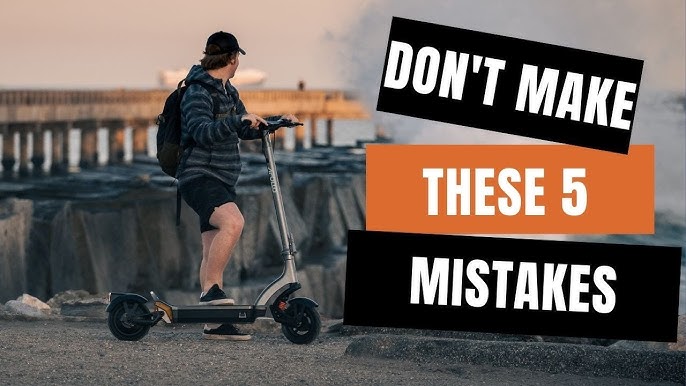
Electric scooters have become one of the fastest-growing forms of personal transport in the UK. They’re affordable, convenient, eco-friendly, and perfect for short commutes or everyday travel.
However, many new riders make simple mistakes that can lead to:
- Reduced battery life
- Poor performance
- Expensive repairs
- Safety risks
- Shorter scooter lifespan
Whether you’ve just bought your first scooter or are considering getting one, understanding these common mistakes can help you ride more safely and get the most from your investment.
Here are the top 5 mistakes new electric scooter riders make — and how to avoid them.
1. Ignoring Battery Maintenance
One of the biggest mistakes beginners make is neglecting proper battery care.
The battery is the heart of an electric scooter, and poor charging habits can significantly reduce its lifespan.
Common Battery Mistakes
Letting the Battery Fully Drain
Many riders regularly drain their scooter battery to 0%, believing it improves performance.
In reality, lithium batteries perform best when kept partially charged.
Frequent deep discharges can:
- Reduce battery lifespan
- Lower maximum capacity
- Shorten riding range over time
Using Cheap Chargers
Using unofficial or low-quality chargers can:
- Damage the battery
- Cause overheating
- Create electrical faults
- Reduce charging efficiency
Always use the manufacturer-approved charger whenever possible.
Leaving the Scooter Unused for Long Periods
Storing a scooter with a completely empty battery can permanently damage battery cells.
If storing your scooter long-term:
- Keep battery charge around 50–70%
- Store indoors
- Avoid extreme temperatures
How to Avoid Battery Problems
To maximise battery life:
- Avoid draining below 20% regularly
- Charge after riding when needed
- Store in a dry indoor location
- Avoid overcharging unnecessarily
- Use the official charger
Proper battery care can add years to your scooter’s lifespan.
2. Riding in Unsafe Weather Conditions
UK weather can change quickly, and many new riders underestimate how dangerous wet conditions can become on an electric scooter.
Why Rain Can Be Risky
Although many electric scooters are water-resistant, very few are fully waterproof.
Heavy rain can lead to:
- Reduced tyre grip
- Longer braking distances
- Electrical damage
- Slippery surfaces
- Poor visibility
Wet roads also increase the likelihood of accidents, especially for inexperienced riders.
Common Wet Weather Mistakes
Riding Through Deep Water
Puddles may hide potholes or allow water into electrical components.
Ignoring Tyre Grip
Worn tyres become far more dangerous in wet conditions.
Riding Too Fast
Speeding on wet roads greatly increases stopping distance and loss of control.
How to Ride More Safely in Wet Conditions
If you must ride in light rain:
- Reduce speed
- Brake earlier
- Avoid sharp turns
- Use lights for visibility
- Wear reflective clothing
In severe weather, it’s usually safest to avoid riding altogether.
3. Not Wearing Proper Safety Gear
Many beginners underestimate the importance of safety equipment because electric scooters seem less dangerous than motorcycles.
However, falls and collisions can still cause serious injuries.
The Most Important Safety Equipment
Helmets
A quality helmet is the single most important piece of protective gear.
Even at moderate speeds, head injuries can occur during accidents.
Lights and Reflective Clothing
Visibility is extremely important during:
- Night riding
- Rainy weather
- Early morning commutes
Front and rear lights help other road users see you clearly.
Gloves and Protective Clothing
Gloves improve grip and help protect hands during falls.
Long sleeves and durable footwear also provide extra protection.
Why Safety Gear Matters
Wearing proper gear:
- Reduces injury risk
- Improves rider confidence
- Increases visibility
- Enhances overall riding safety
Experienced riders almost always prioritize safety equipment because they understand the risks involved.
4. Overloading the Scooter
Every electric scooter has a maximum rider weight limit, but many beginners ignore this specification.
Exceeding weight limits can negatively affect:
- Battery performance
- Motor efficiency
- Braking distance
- Tyre wear
- Overall safety
Why Weight Limits Matter
Scooters are engineered to operate safely within specific load ranges.
Carrying excessive weight can:
- Overwork the motor
- Reduce range significantly
- Increase overheating risk
- Damage suspension systems
Signs Your Scooter May Be Overloaded
You may notice:
- Reduced acceleration
- Difficulty climbing hills
- Slower top speed
- Faster battery drain
- Poor braking performance
Choosing the Right Scooter
Heavier riders should consider scooters with:
- Stronger motors
- Larger batteries
- Reinforced frames
- Better suspension
Buying the right scooter for your body weight improves both safety and performance.
5. Skipping Regular Maintenance
Many beginners assume electric scooters are completely maintenance-free.
While scooters require less maintenance than cars or motorcycles, routine care is still extremely important.
Common Maintenance Mistakes
Ignoring Tyre Pressure
Low tyre pressure reduces:
- Battery efficiency
- Ride comfort
- Tyre lifespan
It also increases puncture risk.
Neglecting Brake Checks
Brakes naturally wear over time.
Ignoring brake maintenance can lead to:
- Reduced stopping power
- Dangerous riding conditions
- Expensive repairs
Loose Bolts and Components
Scooters experience vibration during riding, which can loosen screws and bolts gradually.
Loose handlebars or folding mechanisms can become serious safety hazards.
Basic Maintenance Every Rider Should Perform
Regularly check:
- Tyre pressure
- Brake performance
- Lights
- Folding mechanisms
- Bolts and screws
- Battery condition
Simple maintenance can prevent major problems later.
Bonus Mistake: Buying the Cheapest Scooter Available
Many first-time buyers focus only on price.
While budget electric scooters can offer great value, extremely cheap models often compromise on:
- Battery quality
- Safety
- Reliability
- Ride comfort
- Customer support
Problems With Low-Quality Scooters
Cheap scooters may suffer from:
- Poor battery lifespan
- Weak braking systems
- Faulty electronics
- Low-quality tyres
- Difficult repairs
Investing slightly more in a reputable brand usually results in:
- Better reliability
- Improved safety
- Longer lifespan
- Better warranty support
Tips for New Electric Scooter Riders
If you’re new to electric scooters, these simple habits can make a huge difference:
Start Slowly
Spend time learning:
- Braking
- Turning
- Balancing
- Acceleration control
Learn Your Scooter’s Features
Understand:
- Riding modes
- Battery indicators
- Brake systems
- Lighting controls
Plan Your Routes
Avoid:
- Heavy traffic
- Rough terrain
- Dangerous road conditions
Especially while gaining confidence as a new rider.
Final Thoughts
Electric scooters are an excellent way to travel, commute, and save money, but avoiding beginner mistakes is essential for both safety and long-term performance.
The most common mistakes new riders make include:
- Ignoring battery care
- Riding unsafely in poor weather
- Skipping safety gear
- Overloading the scooter
- Neglecting maintenance
Fortunately, these issues are easy to avoid with proper knowledge and responsible riding habits.
By maintaining your scooter properly, riding safely, and choosing a quality model, you’ll enjoy a smoother, safer, and more reliable riding experience for years to come.