
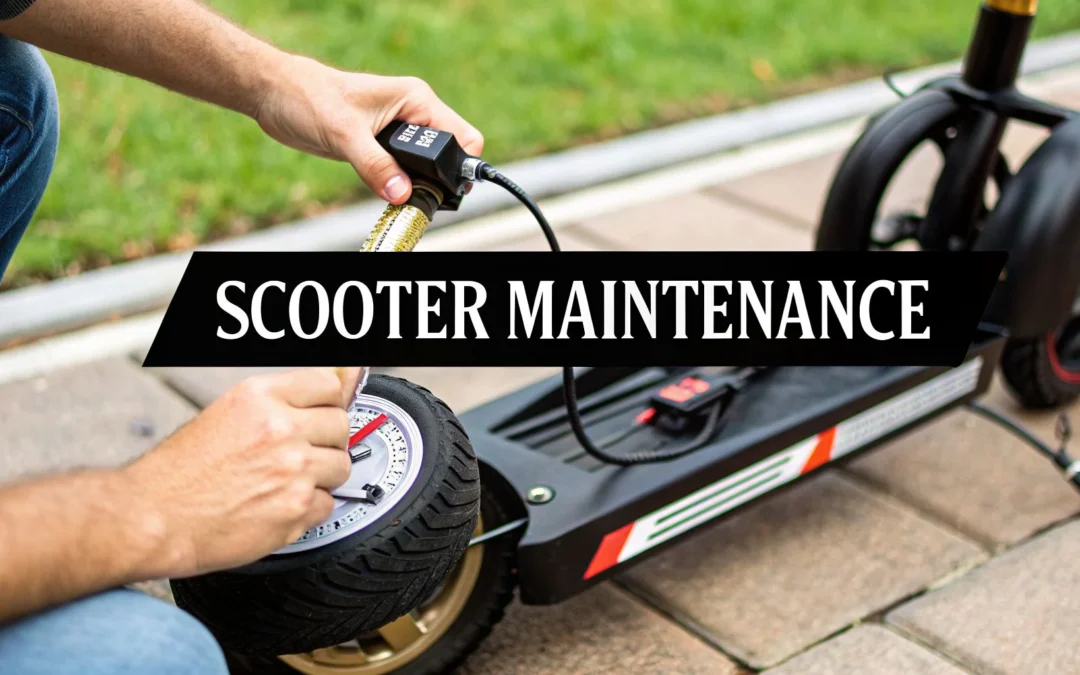
Electric scooters are one of the most convenient and affordable ways to travel, especially for commuters looking to avoid traffic and reduce transport costs. However, like any vehicle, regular maintenance is essential to keep your scooter safe, reliable, and performing at its best.
Proper electric scooter maintenance not only improves performance but also extends battery life, reduces repair costs, and helps prevent unexpected breakdowns.
Whether you use your scooter daily or occasionally, this guide covers the most important maintenance tips every rider should know.
Why Electric Scooter Maintenance Matters
Many riders assume electric scooters require no maintenance, but regular care is essential for:
- Rider safety
- Battery performance
- Brake efficiency
- Tyre durability
- Motor lifespan
- Overall reliability
Neglecting maintenance can lead to:
- Reduced battery range
- Brake failure
- Punctures
- Loose components
- Expensive repairs
Routine checks only take a few minutes and can significantly extend the lifespan of your scooter.
How Often Should You Service an Electric Scooter?
The frequency of servicing depends on how often you ride.
Light Riders
If you only use your scooter occasionally, a full service every 6–12 months is usually sufficient.
Daily Commuters
For regular commuters, servicing every 3–6 months is recommended to maintain performance and safety.
Daily use places greater stress on:
- Brakes
- Tyres
- Suspension
- Battery systems
Signs Your Scooter Needs Servicing
Watch out for:
- Reduced battery range
- Squeaking brakes
- Loose handlebars
- Unusual vibrations
- Slower acceleration
- Warning lights on the display
Ignoring small issues can eventually lead to major repairs.
Battery Care Tips
The battery is one of the most expensive and important components of an electric scooter.
Proper battery care can significantly increase lifespan and maintain performance.
Avoid Fully Draining the Battery
One of the most common mistakes riders make is letting the battery drop to 0% regularly.
Lithium batteries perform best when kept between:
- 20% and 80% charge
Frequent deep discharging can reduce long-term battery health.
Use the Official Charger
Always use the charger supplied by the manufacturer.
Cheap or incompatible chargers can:
- Damage the battery
- Cause overheating
- Reduce charging efficiency
- Create safety risks
Store Your Scooter Properly
If you won’t be using your scooter for several weeks:
- Store it indoors
- Keep it dry
- Maintain around 50–70% battery charge
Avoid leaving your scooter in:
- Freezing temperatures
- Direct sunlight
- Damp environments
Extreme temperatures can permanently damage lithium batteries.
Avoid Overcharging
Most modern scooters include overcharge protection, but it’s still good practice not to leave your scooter charging overnight unnecessarily.
Once fully charged, unplug the charger when possible.
Tyre Maintenance and Pressure Checks
Tyres play a major role in:
- Ride comfort
- Grip
- Safety
- Battery efficiency
Underinflated tyres increase rolling resistance and reduce battery range.
Check Tyre Pressure Regularly
Low tyre pressure can cause:
- Poor handling
- Faster tyre wear
- Increased puncture risk
Check pressure at least once every 1–2 weeks if you ride regularly.
Always follow the manufacturer’s recommended PSI levels.
Inspect Tyres for Damage
Regularly look for:
- Cracks
- Worn tread
- Embedded objects
- Sidewall damage
Replacing worn tyres early improves safety and ride quality.
Pneumatic vs Solid Tyres
Pneumatic Tyres
Provide:
- Better comfort
- Improved grip
- Smoother riding
However, they may puncture more easily.
Solid Tyres
Offer:
- Lower maintenance
- Puncture resistance
But they can feel harsher on rough roads.
Brake Maintenance and Safety
Brakes are one of the most important safety features on any electric scooter.
You should inspect your brakes regularly to ensure they are functioning correctly.
Signs Your Brakes Need Attention
Watch for:
- Squeaking noises
- Reduced stopping power
- Grinding sounds
- Brake rubbing
- Loose brake levers
Ignoring brake problems can become extremely dangerous.
Brake Adjustment
Over time, brake cables can loosen through normal use.
Minor adjustments can improve braking performance and responsiveness.
If you are unsure how to adjust brakes properly, seek professional servicing.
Replace Brake Pads When Needed
Brake pads naturally wear down over time.
Worn brake pads reduce stopping performance and can damage brake discs if left unchanged.
Keep Your Scooter Clean
Cleaning your electric scooter helps prevent:
- Dirt buildup
- Corrosion
- Electrical issues
- Premature wear
How to Clean an Electric Scooter Properly
Use:
- Soft cloths
- Mild cleaning products
- Soft brushes
Avoid:
- Pressure washers
- Excessive water
- Harsh chemicals
Never spray water directly near:
- Charging ports
- Displays
- Motor housings
- Electrical connections
Clean After Wet Weather
If you ride in wet conditions, dry your scooter thoroughly afterward to reduce the risk of rust or water damage.
Tighten Bolts and Check Folding Mechanisms
Electric scooters experience vibration during riding, which can gradually loosen components.
Regularly check:
- Handlebar bolts
- Folding mechanisms
- Brake mounts
- Mudguards
- Stem locks
Loose parts can affect both safety and ride stability.
Motor and Electrical System Checks
Electric scooter motors generally require minimal maintenance, but basic inspections are still important.
Listen for Unusual Sounds
Grinding, clicking, or rattling noises may indicate:
- Loose components
- Motor wear
- Bearing issues
Addressing problems early can prevent costly repairs.
Check Lights and Display Functions
Before riding, make sure:
- Front lights work
- Brake lights function properly
- LCD display operates correctly
Visibility is especially important during night riding or poor weather.
Common Electric Scooter Problems
Even high-quality scooters can develop issues over time.
Reduced Battery Range
Possible causes:
- Ageing battery
- Low tyre pressure
- Cold weather
- Aggressive riding
Scooter Won’t Charge
Potential reasons include:
- Faulty charger
- Damaged charging port
- Battery issues
Loss of Power
May result from:
- Motor problems
- Loose electrical connections
- Battery faults
If you experience major performance issues, professional diagnostics may be necessary.
Winter Electric Scooter Maintenance Tips
Cold weather can affect scooter performance significantly.
Protect the Battery in Winter
Lithium batteries lose efficiency in colder temperatures.
To reduce battery strain:
- Store indoors
- Avoid charging immediately after riding in freezing weather
- Let batteries warm naturally before charging
Avoid Ice and Heavy Rain
Electric scooters are not designed for severe winter conditions.
Wet roads, ice, and road salt can:
- Damage components
- Reduce traction
- Increase accident risk
Should You Service Your Scooter Professionally?
Basic maintenance can be handled at home, but professional servicing is recommended periodically.
Professional technicians can inspect:
- Braking systems
- Bearings
- Suspension
- Battery health
- Motor performance
Regular servicing helps identify hidden issues before they become serious problems.
Final Thoughts
Proper electric scooter maintenance is essential for safety, performance, and long-term reliability.
Simple habits like:
- Checking tyre pressure
- Maintaining battery health
- Cleaning regularly
- Inspecting brakes
can dramatically improve your scooter’s lifespan and reduce repair costs.
Whether you own a lightweight commuter scooter or a high-performance long-range model, regular care will keep your scooter running smoothly for years to come.
Investing a little time in maintenance today can save you significant money and frustration in the future.