
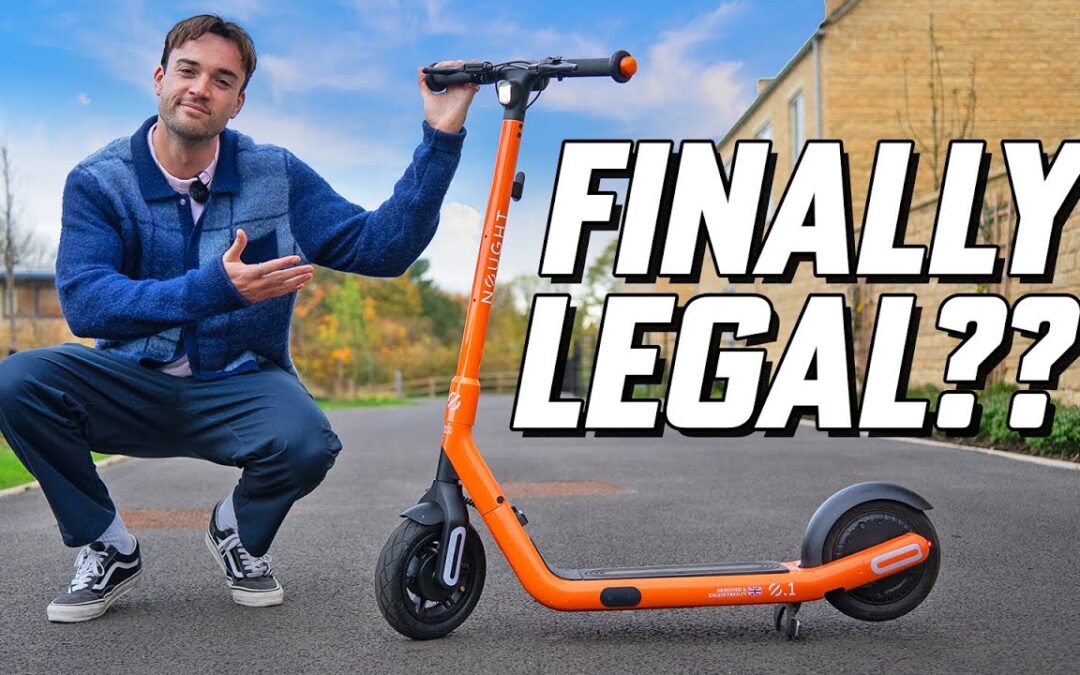
Electric scooters have become increasingly popular across the UK as more people search for affordable, eco-friendly, and convenient ways to travel. However, one of the biggest questions riders still ask is:
Are electric scooters legal in the UK?
The answer is more complicated than many people expect. UK electric scooter laws continue to evolve, and understanding the rules is essential before riding.
In this guide, we’ll explain the current UK electric scooter laws, where scooters can legally be used, safety regulations, and what riders should know in 2026.
Are Electric Scooters Legal in the UK?
Electric scooters are legal to buy and own in the UK. However, the rules surrounding where and how they can be ridden are still restricted in many areas.
At present, privately owned electric scooters generally cannot be legally ridden on:
- Public roads
- Pavements
- Cycle lanes
This is because electric scooters are currently classified as “powered transporters” under UK law.
Why Are Electric Scooters Restricted?
UK laws were originally written before electric scooters became widely popular.
Because of this, privately owned scooters technically fall under regulations designed for motor vehicles.
To be fully road legal, a vehicle would normally require:
- Insurance
- Registration
- Number plates
- MOT certification
- Tax
Most electric scooters do not currently meet these legal requirements for public road use.
Where Can You Legally Ride an Electric Scooter?
Understanding where you can legally ride is extremely important.
Riding on Private Land
Privately owned electric scooters can generally be ridden legally on private land with the landowner’s permission.
Examples include:
- Private estates
- Large private properties
- Dedicated off-road areas
However, permission from the property owner is essential.
Public Roads and Pavements
In most UK regions, privately owned electric scooters are still restricted from:
- Public roads
- Pavements
- Public cycle paths
Riding illegally can potentially lead to:
- Fines
- Penalty points
- Scooter confiscation
Local enforcement may vary, but riders should always understand the risks before riding in public areas.
Rental Electric Scooter Trials
The UK government introduced electric scooter rental trials in selected towns and cities.
These trial schemes allow approved rental scooters to operate legally in certain public areas under regulated conditions.
Rental scooters are usually managed by licensed providers and include:
- Insurance
- Speed restrictions
- Safety requirements
Differences Between Private and Rental Scooters
This is one of the most confusing areas for many riders.
Rental Scooters
Approved rental scooters may legally operate in trial areas because they:
- Meet government requirements
- Include insurance
- Follow regulated safety standards
Privately Owned Scooters
Privately owned scooters generally do not fall under these trial permissions.
This means that even if you see rental scooters operating legally in a city, the same rules may not apply to personal scooters.
Do You Need a Licence to Ride an Electric Scooter?
For government-approved rental scooter schemes, riders usually need:
- A provisional or full driving licence
This helps ensure riders meet basic legal requirements during trial programmes.
Rules may vary slightly depending on the local rental operator.
Are Helmets Required by Law?
Currently, helmets are not legally mandatory for electric scooter riders in many situations.
However, wearing a helmet is strongly recommended for safety.
Head injuries are one of the most serious risks associated with electric scooter accidents.
Most experienced riders consider helmets essential protective equipment.
Electric Scooter Speed Limits
Rental electric scooters in UK trial schemes are typically limited to around:
- 15.5 mph (25 km/h)
Many privately owned scooters may be capable of higher speeds, but excessive speed significantly increases accident risk.
Riders should always travel at safe and controlled speeds regardless of legal limits.
Can You Ride an Electric Scooter on the Pavement?
Riding electric scooters on pavements is generally prohibited in the UK.
Pavement riding creates risks for:
- Pedestrians
- Children
- Elderly people
- Wheelchair users
This is one reason why electric scooter regulations remain heavily debated.
Insurance and Electric Scooters
Insurance is another important legal issue.
Rental Scooter Insurance
Government-approved rental scooters usually include insurance through the rental provider.
Private Scooter Insurance
Insurance options for privately owned scooters remain limited because their legal status is still evolving.
Some specialist insurers may offer certain forms of cover, but availability varies.
Electric Scooter Safety Regulations
Even where electric scooters are permitted, riders are still expected to follow basic safety practices.
Important Safety Recommendations
Riders should:
- Wear helmets
- Use front and rear lights
- Avoid dangerous riding
- Stay visible at night
- Perform regular maintenance
Responsible riding helps improve public perception of electric scooters and may influence future legislation positively.
Why Electric Scooter Laws May Change
Many people expect UK electric scooter laws to continue evolving over the coming years.
Several factors are driving discussions around legalization:
- Growing popularity of micromobility
- Environmental concerns
- Urban congestion
- Demand for affordable transport
- Advances in scooter safety technology
Many European countries already allow broader electric scooter usage under regulated conditions.
Potential Future Changes
Although no one can predict exact timelines, future UK regulations could potentially include:
- Mandatory insurance
- Defined speed limits
- Registration systems
- Safety standards
- Approved riding zones
The government continues evaluating how electric scooters may fit into future transport systems.
Why Riders Should Stay Updated
Electric scooter laws can change over time.
Riders should regularly check:
- Government guidance
- Local council regulations
- Rental scheme updates
Staying informed helps riders avoid legal issues and ride more responsibly.
Tips for Riding Responsibly
Even in areas where scooters are permitted, responsible riding is extremely important.
Ride Defensively
Always stay aware of:
- Cars
- Cyclists
- Pedestrians
- Road hazards
Electric scooters are smaller and less visible than many other vehicles.
Maintain Your Scooter Properly
Regular maintenance improves:
- Brake performance
- Tyre grip
- Rider safety
Never ignore mechanical issues.
Avoid Dangerous Riding Behaviour
Unsafe riding such as:
- Excessive speed
- Riding while distracted
- Carrying passengers
- Riding recklessly
can increase accident risks significantly.
Common Misunderstandings About UK Scooter Laws
“If I Bought It, I Can Ride It Anywhere”
Owning a scooter does not automatically make it legal for unrestricted public road use.
“Rental Scooter Rules Apply to My Private Scooter”
Rental trial rules often differ from regulations surrounding privately owned scooters.
“Nobody Enforces Scooter Laws”
Enforcement varies by area, but police may issue penalties or confiscate scooters in certain situations.
Are Electric Scooters Still Worth Buying?
Despite current legal restrictions, many riders still purchase electric scooters for:
- Private land use
- Future legal changes
- Convenience in permitted areas
- Recreational riding
Electric scooters continue growing in popularity worldwide, and many experts believe UK regulations may eventually become clearer and more accommodating.
Final Thoughts
Electric scooter laws in the UK remain one of the most confusing aspects of ownership in 2026.
While electric scooters are legal to buy, restrictions still apply to where privately owned scooters can be ridden publicly.
Before riding, every rider should:
- Understand current regulations
- Follow local guidance
- Prioritize safety
- Ride responsibly
As electric scooters continue becoming more common across the UK, future regulations may evolve to better support safe and legal micromobility.
Until then, staying informed and riding carefully is the best approach for every electric scooter owner.